Unbonded Post-Tensioning of Face-Loaded URM Cavity Walls
UNBONDED POST-TENSIONING OF FACE-LOADED URM CAVITY WALLS UNDER SEMI-CYCLIC AND DYNAMIC LOADING
NZSEE Annual Conference (2020), Paper 0122
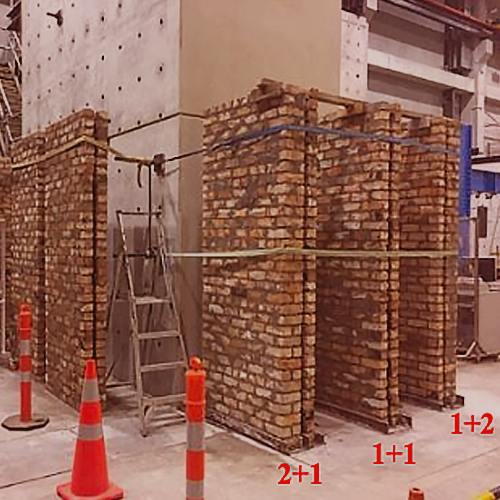
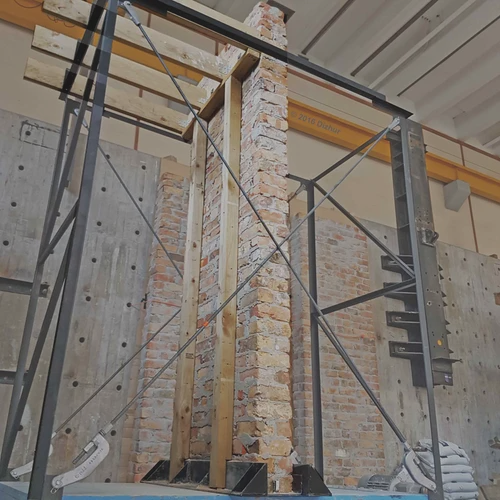
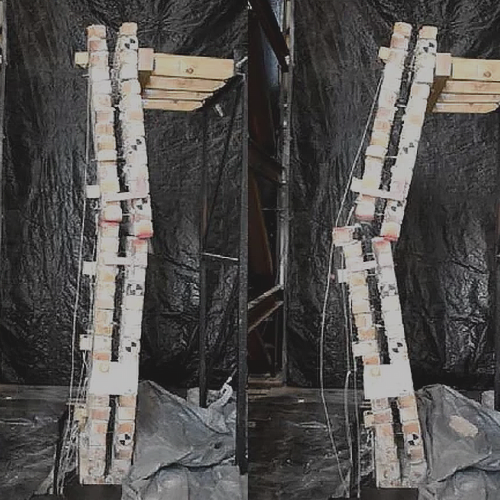
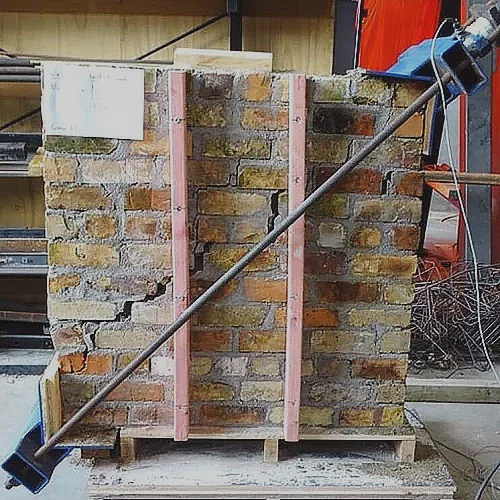
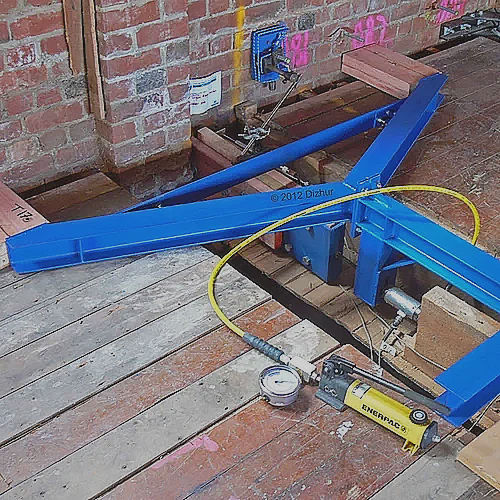
An unbonded post-tensioning (PT) system installed into full-scale face-loaded (out-of-plane) URM cavity walls using threaded rod and steel anchor plates spanning the cavity was investigated through experimental testing. Load-carrying capacity increased markedly, up to 1500%, when compared to cavity walls without post-tensioning.
Read More
SEISMIC PERFORMANCE EXPECTATIONS FOR AUSTRALIAN UNREINFORCED MASONRY BUILDINGS
SEISMIC PERFORMANCE EXPECTATIONS FOR AUSTRALIAN UNREINFORCED MASONRY BUILDINGS
Australian Earthquake Engineering Conference (2017) - Canberra, NSW
An overview of the recent and ongoing research into the seismic behaviour of unreinforced masonry (URM) construction in Australia and a discussion on possible increases to the seismic design and/or retrofit requirements.
Read More
The Newcastle Earthquake and the Masonry Structures Code AS3700
THE NEWCASTLE EARTHQUAKE AND THE MASONRY STRUCTURES CODE AS3700
Australian Earthquake Engineering Society Conference (2019), Newcastle, Australia
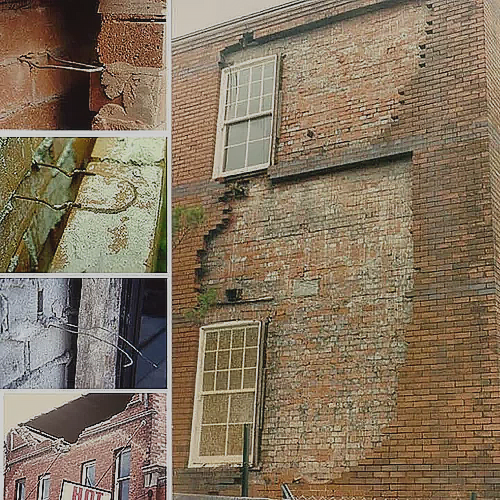
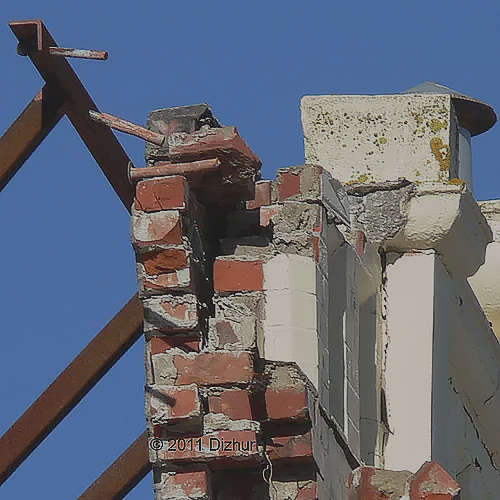
A significant proportion of the earthquake damage to masonry structures was caused by a lack of tying and support, corrosion of ties and fitments, low bond strength, and generally poor workmanship.
Read More
SECURING SOLUTIONS FOR FACE-LOADED CLAY BRICK URM WALLS
SECURING SOLUTIONS FOR FACE-LOADED CLAY BRICK URM WALLS
13th Canadian Masonry Symposium (2017) - Halifax, Canada
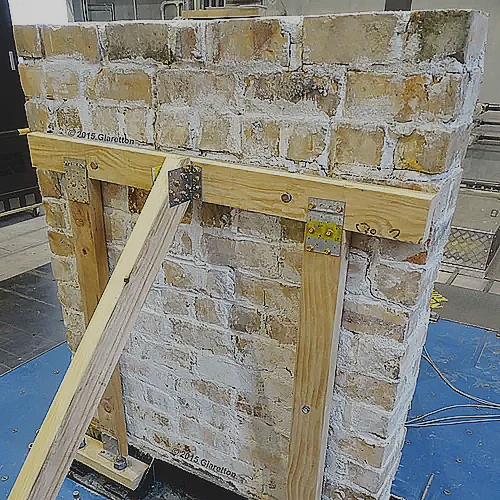
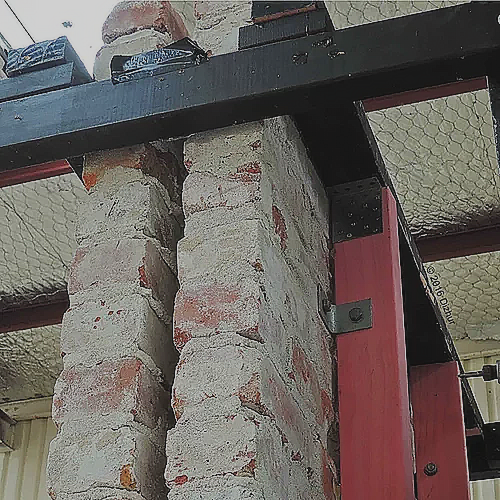
Shake-table testing of 3 full-scale double-leaf solid clay brick masonry walls retrofitted with timber strong-backs and mechanical fasteners or post-tensioning.
Read More
RETROFITTED URM CAVITY WALLS EXPERIMENTALLY VALIDATED AND A SEMPLIFIED OUT-OF-PLANE ASSESSMENT
RETROFITTED URM CAVITY WALLS EXPERIMENTALLY VALIDATED AND A SEMPLIFIED OUT-OF-PLANE ASSESSMENT
Structural Engineering Society Journal (2020), 33(2)
Use of shear-transferring cavity ties to improve the out-of-plane capacity of cavity walls and achieve a composite behaviour. The cavity walls were tested using both shake-table and air-bag tests.
Read More
URM CAVITY WALLS: SIMPLE AND EXPERIMENTALLY PROOF-TESTED RETROFIT
URM CAVITY WALLS: SIMPLE AND EXPERIMENTALLY PROOF-TESTED RETROFIT
Australian Earthquake Engineering Conference (2019) - Newcastle, NSW
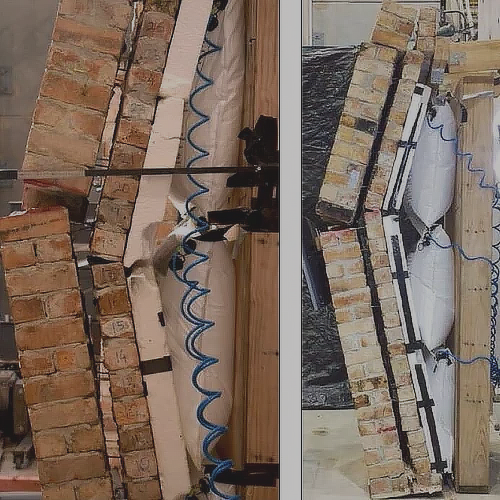
Use of semi-cyclic air-bag testing to establish the capability of single-single cavity-walls and double-single cavity-walls to achieve composite behaviour when retrofitted with cavity ties that transfer shear.
Read More
PULL-OUT BEHAVIOR OF ADHESIVE CONNECTIONS IN URM WALLS
PULL-OUT BEHAVIOR OF ADHESIVE CONNECTIONS IN URM WALLS
Earthquake Spectra (2016), 32(4)
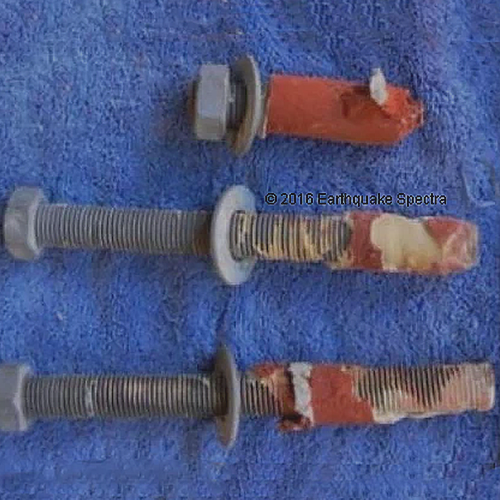
Four hundred adhesive anchors were tested in 11 masonry buildings to identify the influence of the type of adhesive, the masonry strength, the anchor type, embedment depth and diameter, overburden level, the quality and direction of installation, and the use of metal mesh sleeves.
Read More
PERFORMANCE OF ADHESIVE WALL-TO-DIAPHRAGM CONNECTIONS IN THE CANTERBURY EARTHQUAKES AND THE SUBSEQUENT EXPERIMENTAL PULL-OUT TEST PROGRAM
PERFORMANCE OF ADHESIVE WALL-TO-DIAPHRAGM CONNECTIONS IN THE CANTERBURY EARTHQUAKES AND THE SUBSEQUENT EXPERIMENTAL PULL-OUT TEST PROGRAM
12th Canadian Masonry Symposium (2013) - Vancouver, Canada
During the 2010/2011 Canterbury earthquakes, numerous wall-to-floor anchors failed prematurely. This occurred more frequently for adhesive epoxy anchors than for through-bolt connections.
Read More
EFFECTS OF DRILLING METHODS ON TENSILE CAPACITY OF MECHANICAL SCREW ANCHORS IN MASONRY WALLS
EFFECTS OF DRILLING METHODS ON TENSILE CAPACITY OF MECHANICAL SCREW ANCHORS IN MASONRY WALLS
18th World Conference on Earthquake Engineering (2024) - Milan, Italy
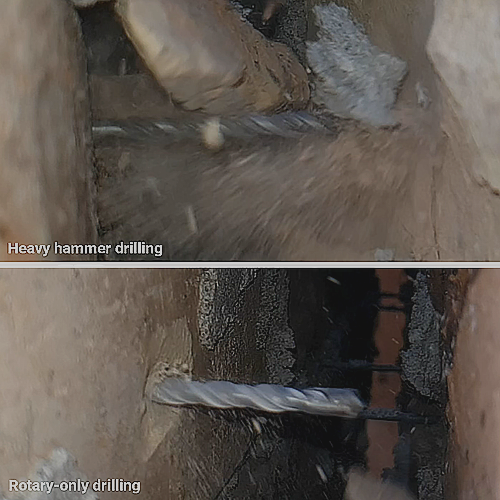
Drill bit selection and drilling method significantly affect anchor performance in masonry (brick masonry, concrete block, stone masonry). Rotary-only drilling minimizes substrate damage, reducing blowout and micro-cracking, and results in higher anchor capacity.
Read More
IN-PLANE TESTING OF URM WALL PANELS RETROFITTED USING TIMBER STRONG-BACKS
IN-PLANE TESTING OF URM WALL PANELS RETROFITTED USING TIMBER STRONG-BACKS
Australian Earthquake Engineering Conference (2019) - Newcastle, NSW
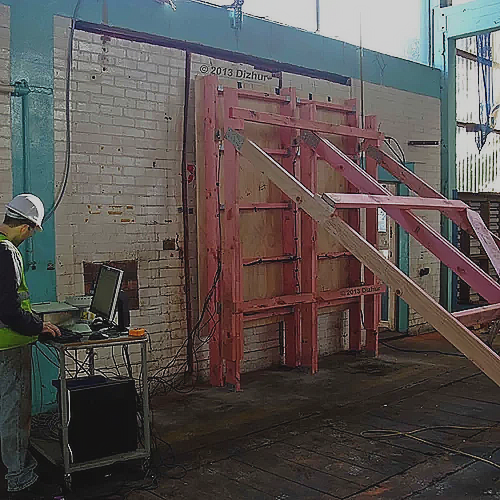
Investigating the in-plane capacity of timber strong-backs and of plywood overlay earthquake retrofit solutions. Use of timber strong-backs and ratchet tie-down straps as temporary securing solutions.
Read More
SHAKE TABLE TESTING OF SEISMICALLY RESTRAINED CLAY BRICK MASONRY PARAPETS
SHAKE TABLE TESTING OF SEISMICALLY RESTRAINED CLAY BRICK MASONRY PARAPETS
Earthquake Spectra (2018), 34(1), 99–119
Shake table testing of 9 brick masonry parapets retrofitted with common bracing systems and alternative securing techniques, such as post-tensioning, and with the combined use of braces and strong-backs.
Read More
IN-SITU TESTING OF WALL-TO-DIAPHRAGM SHEAR TRANSFERRING CONNECTIONS IN AN EXISTING CLAY BRICK URM BUILDING
IN-SITU TESTING OF WALL-TO-DIAPHRAGM SHEAR TRANSFERRING CONNECTIONS IN AN EXISTING CLAY BRICK URM BUILDING
9th International Masonry Conference (2014) - Guimarães, Portugal
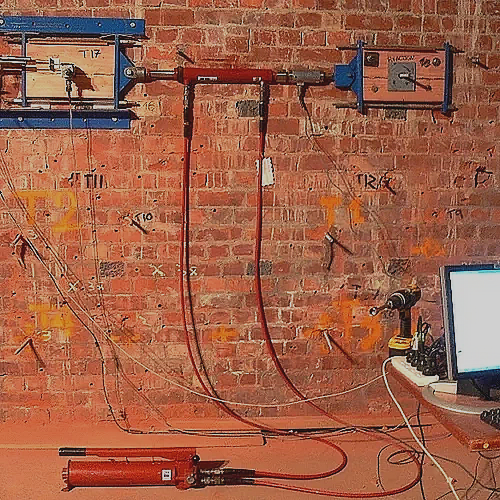
Twenty-two on-site cyclic shear tests to study the effectiveness of adhesive anchors in transferring seismic shear from the floor to the walls. Studied parameters included: anchor rod diameter, embedment depth, timber blocking thickness, boundary conditions, washer size, and axial pre-load of the anchor.
Read More
FIELD TESTING OF UNREINFORCED MASONRY WALL-TO-DIAPHRAGM CONNECTION VIA THROUGH-BOLT PLATE ANCHORS AND TIMBER BLOCKING
FIELD TESTING OF UNREINFORCED MASONRY WALL-TO-DIAPHRAGM CONNECTION VIA THROUGH-BOLT PLATE ANCHORS AND TIMBER BLOCKING
Masonry International (2019), 32(2):63-71
Field testing of wall-to-floor/roof connection, including 8 tests on original plate anchor connections and 9 tests on different configurations of timber blockings.
Read More
TWO‑WAY BENDING OUT‑OF‑PLANE COLLAPSE OF A FULL‑SCALE URM BUILDING TESTED ON A SHAKE TABLE
TWO‑WAY BENDING OUT‑OF‑PLANE COLLAPSE OF A FULL‑SCALE URM BUILDING TESTED ON A SHAKE TABLE
Bulletin of Earthquake Engineering (2019), 17, 2165–2198
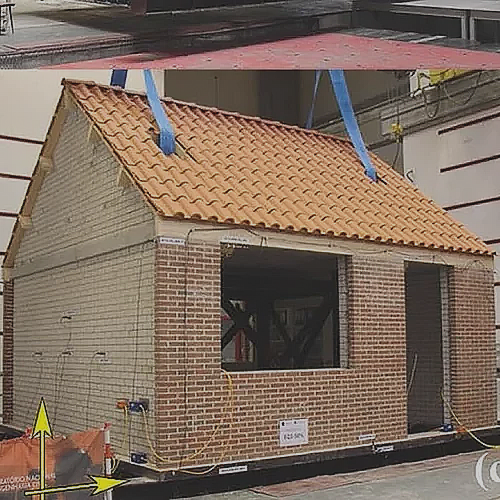
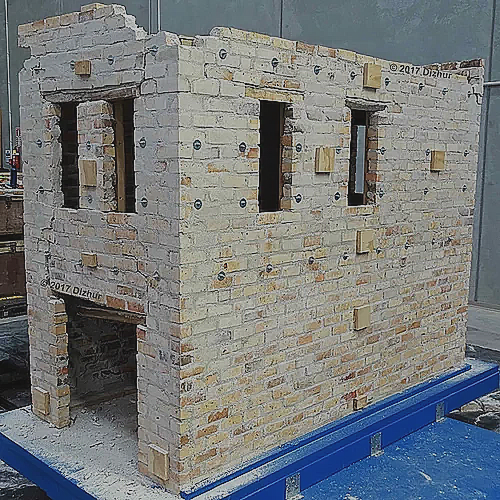
Shake table test on a one-storey full-scale unreinforced masonry built of cavity walls and with a pitched timber roof supported by two gable walls, up to partial collapse.
Read More
OUT-OF-PLANE SHAKING TABLE TESTS ON URM SINGLE LEAF AND CAVITY WALLS
OUT-OF-PLANE SHAKING TABLE TESTS ON URM SINGLE LEAF AND CAVITY WALLS
Engineering Structures (2016), 125, 455-470
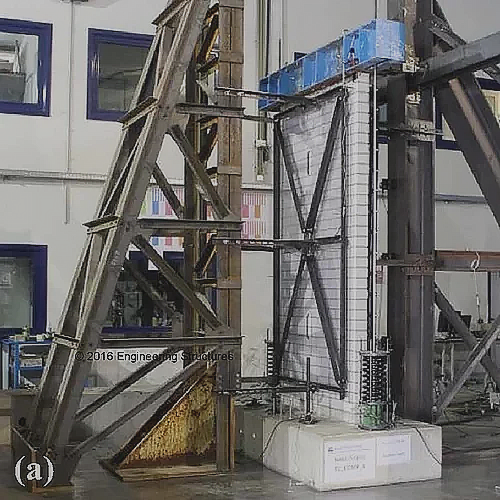
Shake table tests of clay brick and calcium silicate brick cavity-walls to study the effect on boundary conditions and configuration of the original flexible ties in their out-of-plane failure. Three cavity wall panels and one single-leaf wall were tested.
Read More
SEISMIC RETROFIT OF MASONRY WALLS USING TIMBER STRONG-BACKS
SEISMIC RETROFIT OF MASONRY WALLS USING TIMBER STRONG-BACKS
Structural Engineering Society Journal (2017), 30(2), 30–44
Development and validation of the timber strong-back solution as a simple and cost-effective seismic retrofit for masonry solid and cavity-walls that considers the impact on the building tenants and aesthetics. Includes design tips.
Read More
EXPERIMENTAL EARTHQUAKE RESPONSE OF TWO-STOREY SCALED URM BUILDINGS
EXPERIMENTAL EARTHQUAKE RESPONSE OF TWO-STOREY SCALED URM BUILDINGS
11th International Conference on Structural Analysis of Historical Constructions (2018) - Cusco, Peru
Realistic earthquake simulation response of a retrofitted two-storey brick masonry building. Retrofit: moment-resisting frames at the ground floor, and timber strong-backs with shear walls and wall-to-floor 7 roof anchors at the top floor.
Read More
SHAKING TABLE TESTING OF AS-BUILT AND RETROFITTED CLAY BRICK URM CAVITY-WALLS
SHAKING TABLE TESTING OF AS-BUILT AND RETROFITTED CLAY BRICK URM CAVITY-WALLS
Engineering Structures (2016), 125, 70–79
Investigating the performance of 5 full-scale brick cavity-wall retrofitted with mechanical screw-ties or with timber strong-backs. Spacing of the mechanical screw-ties was one of the variabilities explored.
Read More
OUT-OF-PLANE STRENGTH OF EXISTING TWO-WAY SPANNING SOLID AND CAVITY UNREINFORCED MASONRY WALLS
OUT-OF-PLANE STRENGTH OF EXISTING TWO-WAY SPANNING SOLID AND CAVITY UNREINFORCED MASONRY WALLS
Structures (2018), 13, 88-101
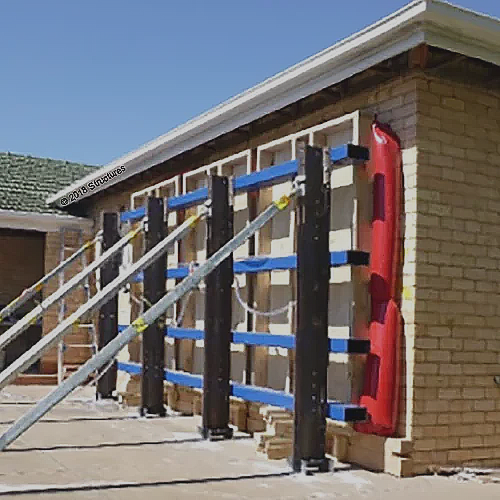
In-situ air-bag tests of 8 single-leaf and double-leaf cavity walls to investigate the effects of the boundary conditions on the out-of-plane capacity. Tests were taken in two 1960s dwellings in Adelaide, South Australia.
Read More
EFFECT OF BOUNDARY CONDITIONS AND OTHER FACTORS ON URM WALL OUT-OF-PLANE BEHAVIOUR: DESIGN DEMANDS, PREDICTED CAPACITY, AND IN SITU PROOF TEST RESULTS
EFFECT OF BOUNDARY CONDITIONS AND OTHER FACTORS ON URM WALL OUT-OF-PLANE BEHAVIOUR: DESIGN DEMANDS, PREDICTED CAPACITY, AND IN SITU PROOF TEST RESULTS
Structural Engineering Society Journal (2017), 30(1), 57-81
Nineteen air-bag tests were performed on 6 buildings to investigate out-of-plane masonry wall capacity. Different wall configurations included a variety of geometries, boundary conditions, pre-test damage states, material properties, and retrofit techniques.
Read More